- Jan 21
Beyond 'I Spy': The Phonological Awareness Shelf
- Emily Madison
What is phonological awareness?
Phonological awareness is the foundation of literacy. It is the ability to recognize and manipulate the parts of spoken language such as words, syllables, and rhymes entirely by ear, without any written letters involved.
Phonological awareness is one of the single best predictors of how well a child will learn to read. Students with strong phonological awareness quickly map sounds to letters, which leads to fast decoding, while students with weak phonological awareness (often a hallmark of dyslexia) often struggle to decode words.
Phonological awareness is an umbrella term that encompasses a wide range of skills. It starts with large "chunks" of sound and narrows down to the individual sounds that make up words:
Word Awareness: Recognizing that a sentence is made of separate words (e.g., "The cat sat." has three words).
Syllable Awareness: Breaking words into syllables (e.g., chick-en) or blending syllables together to make a word.
Onset-Rime Awareness: Breaking a single-syllable word into its beginning consonant sound (onset) and the vowel/ending string (rime) (e.g., s-un).
Phonemic Awareness: The ability to hear and work with phonemes, the smallest individual units of sound. For example, recognizing that cat is made of the sounds /k/, /a/, and /t/. Phonemic awareness also includes the ability to manipulate phonemes, such as changing the first sound in cat to /b/ to say the word bat or deleting the /b/ in bat to say at.
What goes on the Montessori phonological awareness shelf?
The 'I Spy' game is a classic Montessori phonemic awareness activity. It is engaging for children and provides practice with isolating the beginning sound of words, which is a critical skill. But what about all of the other phonological skills listed above? How do we help children practice those in a Montessori environment?
We recommend that every classroom with 3-6 year old children includes a phonological awareness shelf. Lower elementary classrooms may also have a phonological awareness shelf, depending on the needs of the students. Below is a recommended sequence for the phonological awareness shelf, along with some downloadable resources.
Sequence of the phonological awareness shelf:
1) Word counting - Hearing the individual words in a sentence is the first phonological awareness skill that children develop. To practice this, an adult can say a short sentence (3-5 words), and the child can use their fingers or objects to represent each word. (Note that this is not a math activity; children don't need to say a number to indicate how many words are in a sentence. Just observe to make sure they are putting up one finger or moving one object for each word.)
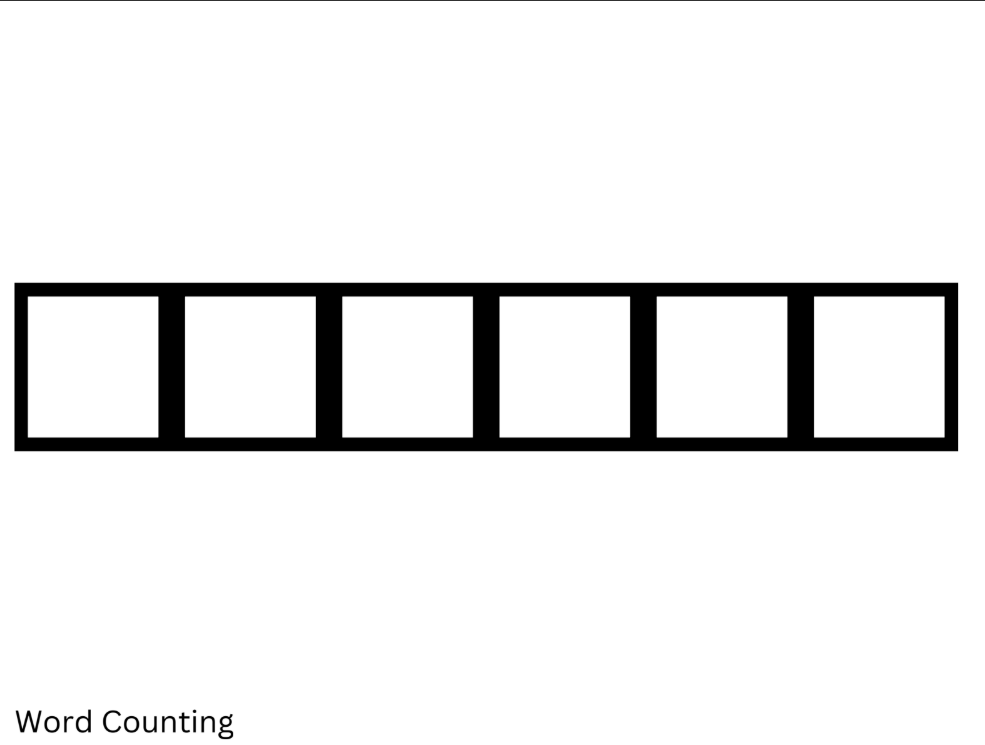
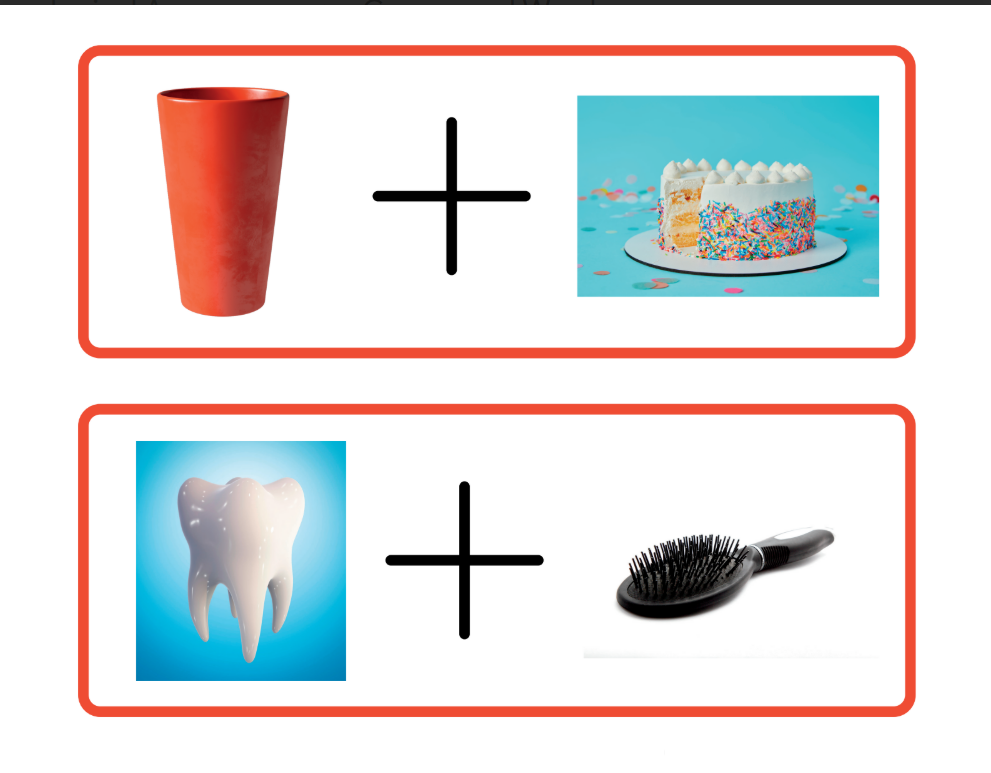
2) Compound words - This is an early syllable awareness activity because compound words contain the most recognizable syllables. Children can segment the syllables in a compound word (e.g., segment cupcake into cup and cake), or blend two syllables to make a compound word (e.g., blend sea and shell to say seashell.) This FREE download includes resources for practicing word counting and compound words.
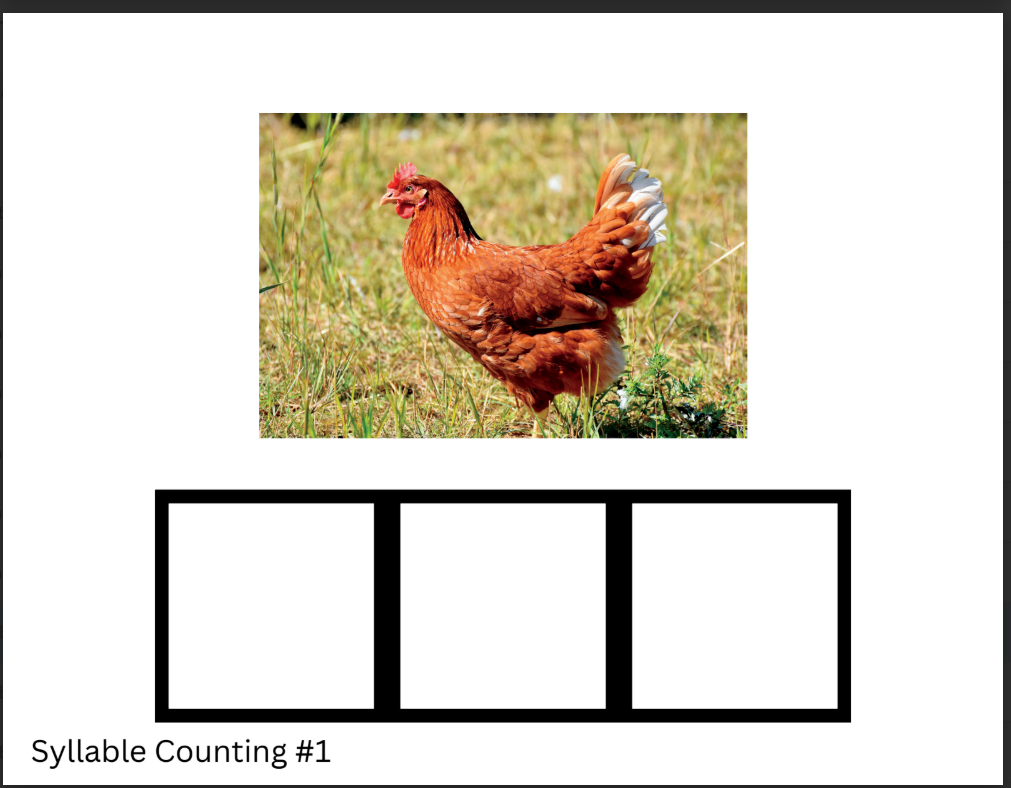
3) Syllable segmentation - After children can segment and blend compound words, they are ready to practice segmenting and blending other syllables. To create independent shelf work, children can be given a picture of a word that is 2-4 syllables long, and they can use counters to represent each syllable. For example, for the word "chicken", a child would place a counter in two of the boxes to represent the two syllables (chick-en). Syllable counting activities are available in English in our Phonological Awareness Bundle, and Spanish syllable work can be downloaded for FREE here.
4) Rhyming - Children can practice rhyming independently by matching pictures or objects that rhyme. This work can be downloaded for FREE in English and Spanish.
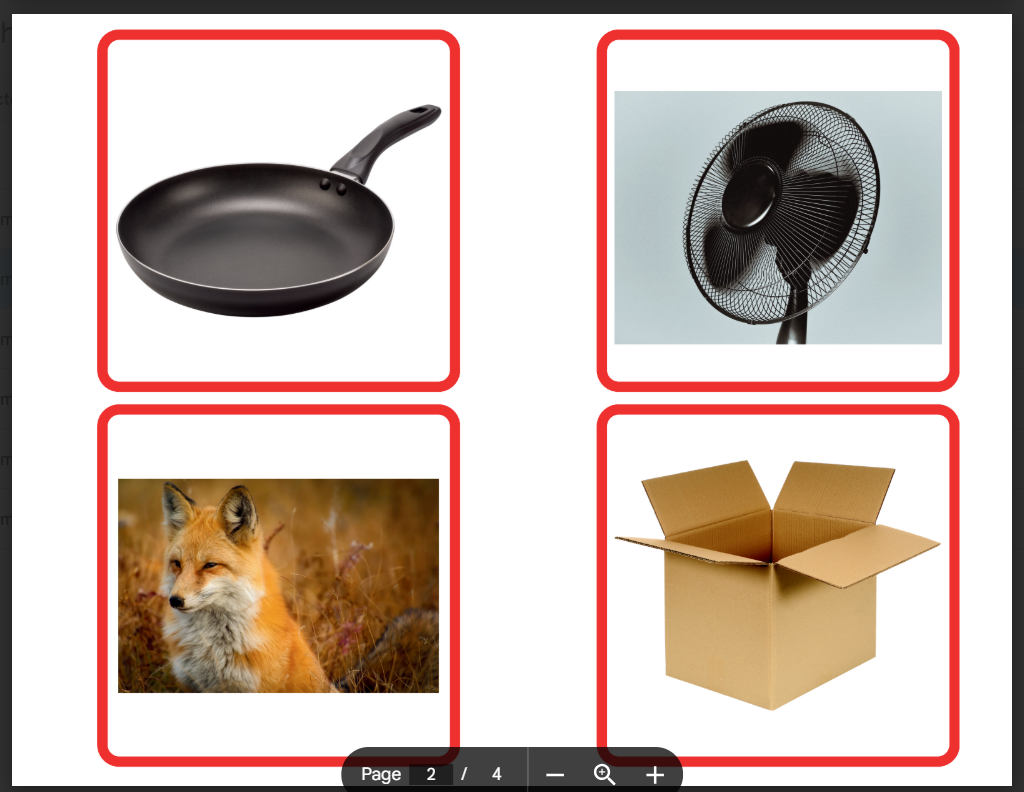
5) Basket of objects for 'I Spy' - The Montessori 'I Spy' game helps children to hear the beginning sound of words. The game can also be done with ending sounds once children have mastered beginning sounds. For a more advanced version, ask children to identify the middle vowel sound in words with 3 sounds.
6) Initial sound sorting - Children can practice isolating the initial sound in words by sorting a collection of objects or pictures by their beginning sound. The English Phonological Awareness Bundle includes sets of picture cards for sorting by beginning sound. This FREE download includes words in Spanish that can be sorted by initial sound. (Note that the letter cards should be removed to make this a phonemic awareness activity.)

7) Phoneme segmentation - Similar to word and syllable counting, this work helps children segment the individual sounds, or phonemes, in words. This is a critical prerequisite skill before children are able to write using the movable alphabet. This work can be downloaded for FREE in English and Spanish.
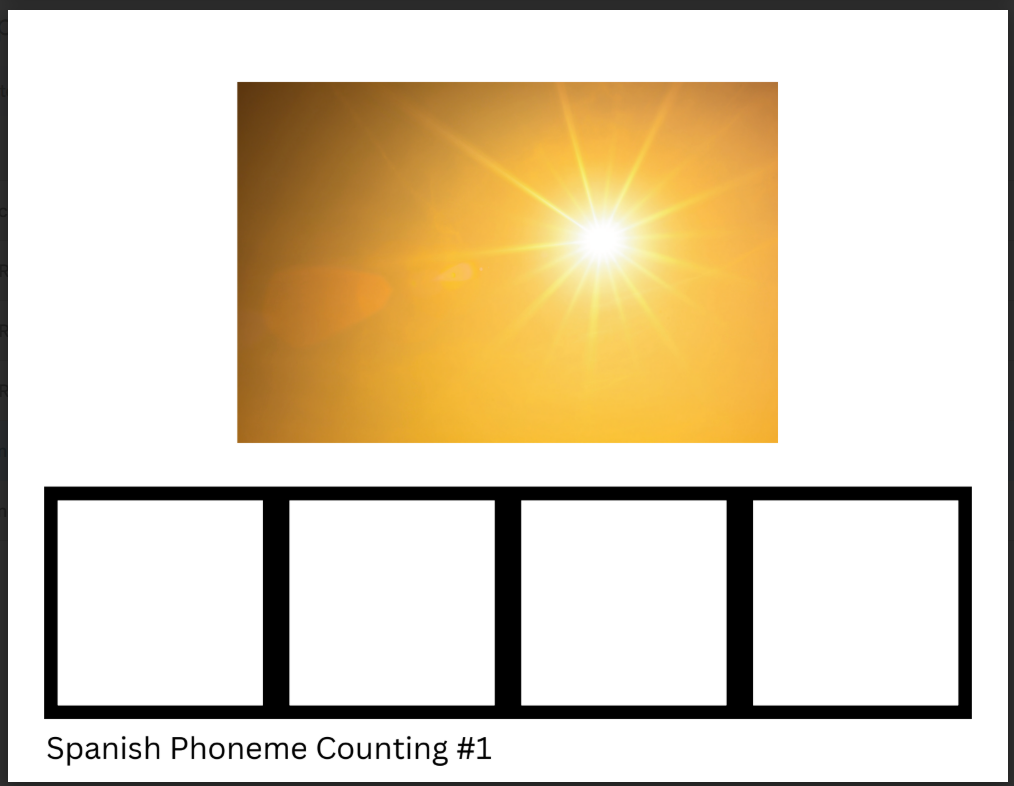
8) Blending - This is an essential skill in learning to read. Because this skill is done orally, there is no independent shelf work. We recommend providing short, frequent lessons with blending words with 3-5 sounds. See this video for an example, and this is a helpful list of words to use for blending and segmenting.
9) Ending sound sorting - Being able to isolate the ending sound of words is just as important as identifying the beginning sound. Just like we can provide children with opportunities to sort objects and pictures by beginning sounds, we can do the same with ending sounds. Watch this video to learn how to support students in isolating the final sound in a word. The Phonological Awareness Bundle includes sets of picture cards for sorting by ending sounds.
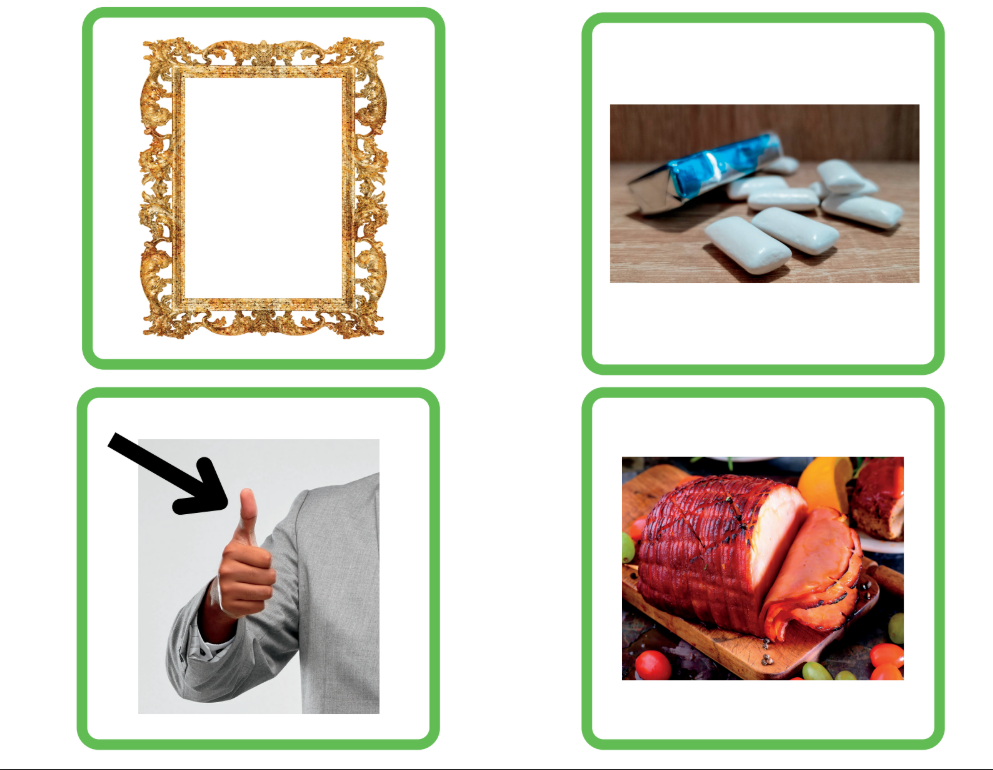
10) Middle sound sorting - The most advanced phoneme isolation skill is being able to identify the middle vowel sound of a 3-sound word. Watch this video to learn how to support students in isolating the middle sound of a word. The Phonological Awareness Bundle includes sets of picture cards for sorting by middle sounds.
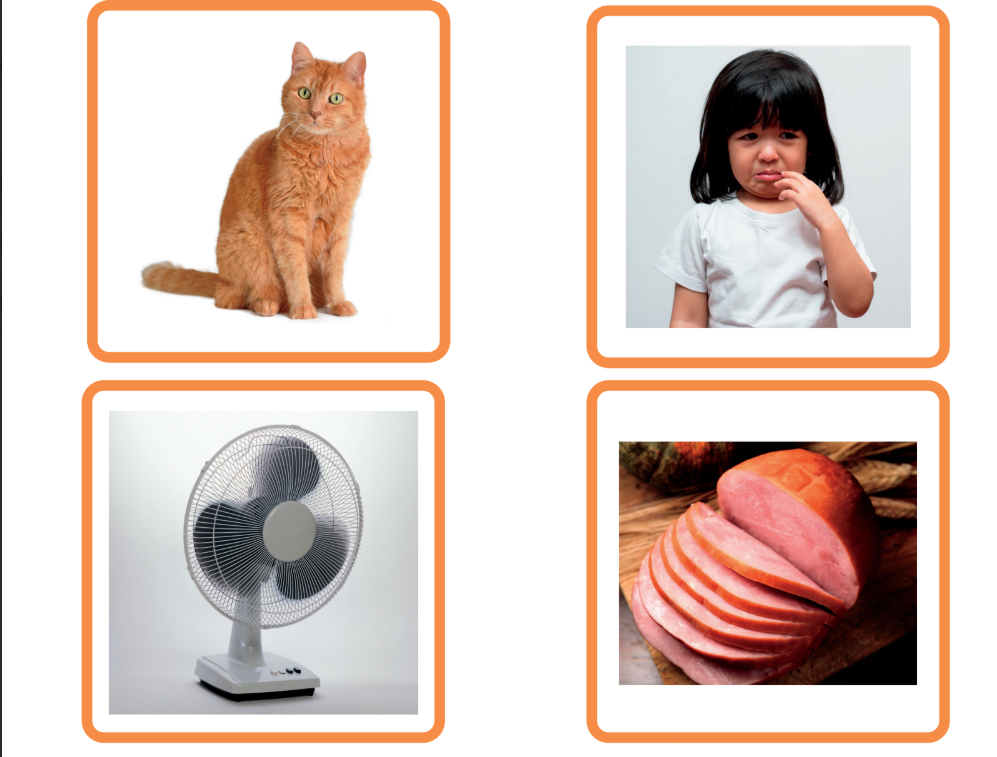
The following are the more advanced phonemic awareness skills that are done orally and therefore do not have independent shelf work. Many children will not master these skills until age 7 or 8.
Adding: An adult says a word or word part and asks children to add a syllable or phoneme to it. See this video for examples.
Deleting: An adult says a word and asks children to remove a syllable or phoneme from it. See this video for examples.
Substituting: An adult says a word and asks children to change a syllable or phoneme in it. See this video for examples.
Ready to create your phonological awareness shelf? Our Phonological Awareness Bundle includes everything you need!
We're here to help! Please reach out with any questions.